NFL Thursday Night Football Betting — Amazon Prime Angles
 Available in US
Thursday Night Football is the NFL’s weekly experiment in controlled chaos. Two teams, three days of rest instead of seven, a national audience, and an Amazon Prime broadcast that has transformed what was once a scheduling afterthought into one of the league’s marquee products. By mid-season 2025, Amazon’s TNF coverage had accumulated 96.8 million unique viewers — a figure reflecting double-digit growth from the prior year. For bettors, TNF isn’t just another game. It’s a structurally distinct event with its own patterns, pitfalls, and opportunities.
Thursday Night Football: Format, Broadcast, and Betting Windows
TNF typically kicks off at 8:15pm Eastern in the US, which translates to 1:15am on Friday morning in the UK. That timing creates a niche betting window: the UK market is quiet, the casual Sunday punters are absent, and the lines have been available since the previous Sunday — giving the market nearly four full days to settle before kickoff.
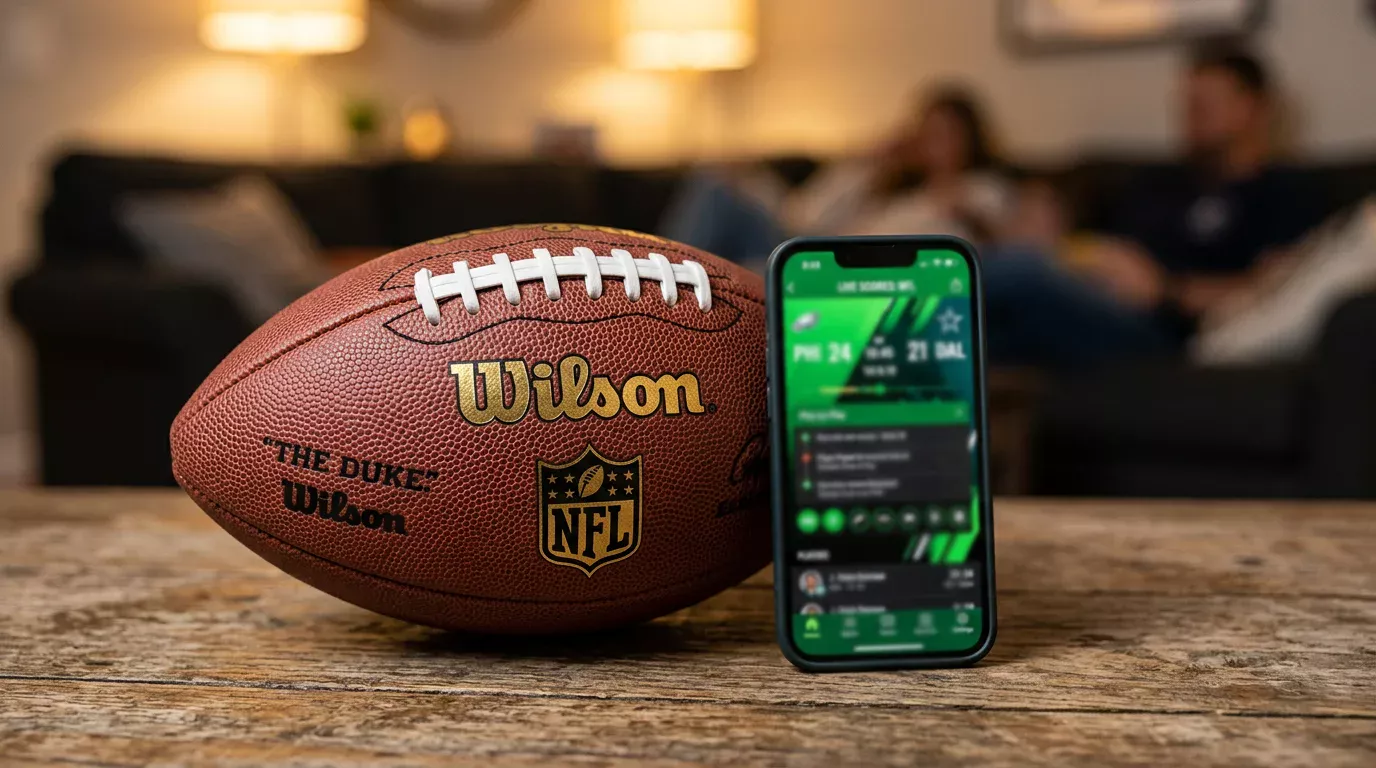
Amazon’s exclusive broadcast rights mean TNF is a streaming-first product with no traditional television simulcast in the US. In the UK, the game is available through Amazon Prime Video for subscribers and through NFL Game Pass for those with international packages. The streaming-only format matters for live bettors because of the latency issue: Amazon’s stream runs 15 to 30 seconds behind real time, which means the odds on your betting app have already adjusted to a play before you see it on screen.
The four-day preparation window between line release and kickoff is longer than the typical Sunday game window (which often opens on Sunday night for the following week). That extra time allows the market to absorb injury reports, weather forecasts, and sharp money more thoroughly, which generally makes TNF lines tighter and harder to beat than early-week Sunday lines. The advantage, if there is one, lies in reading the short-week situational factors that the line may not fully account for — coaching tendencies on short rest, travel fatigue for the visiting team, and the specific positional matchups that might be affected by limited practice reps during a compressed week.
Short-Week Fatigue and How It Moves the Line
The defining feature of TNF from a betting perspective is the compressed preparation window. Both teams played the previous Sunday and have had just four days — including travel — to recover, game-plan, and prepare. The physical toll is real: soft-tissue injuries spike on short weeks, and players at skill positions (running backs, wide receivers) who absorbed heavy contact on Sunday are less likely to be at full capacity by Thursday.
The strategic implications are equally significant. Coaching staffs have less time to install new plays, adjust their scheme to the specific opponent, and correct the issues from the previous game. The result is often a simpler, more conservative game plan that leans on base formations and familiar concepts rather than the creative wrinkles that a full week of preparation allows. For bettors, this means that teams with strong fundamentals and simple, execution-based offences tend to perform better on Thursday nights than teams that rely on complex play designs and week-to-week scheme adjustments.
The market prices some of this in. Teams on short rest are typically adjusted by half a point to a full point in the spread compared to where the line would sit with a standard rest advantage. The question is whether that adjustment is sufficient. Jordan Bender, an equity research analyst at Citizens, has noted that storylines and market narratives drive handle volume — and TNF’s weekly narrative of fatigue and unpredictability can create a betting environment where the public overreacts to the short-week factor, pushing the line past fair value in the direction of the better-rested or higher-quality team.
Scoring Trends on Thursday Nights
TNF games have historically trended lower-scoring than the NFL average, and the reasons connect directly to the short-week dynamics above. Conservative play-calling, reduced practice time, and physical fatigue all suppress scoring. The effect is most pronounced in the first half, where teams are still finding their rhythm after a truncated preparation, and in games featuring two teams with strong rushing attacks (which are less affected by limited practice time than passing-heavy schemes).
That said, the trend isn’t absolute. Amazon’s influence on scheduling has upgraded the quality of TNF matchups — the league no longer dumps its worst teams into the Thursday slot the way it once did. Better matchups produce more competitive games, and competitive games can produce fireworks regardless of rest. I treat each TNF total on its own merits rather than applying a blanket “bet the under” approach. The short-week under trend exists in aggregate, but individual game context — offensive firepower, defensive injuries, indoor vs outdoor venue, weather — matters more than the average. In several 2025 TNF games, the total sailed well over, reminding everyone that trends describe probabilities, not certainties.
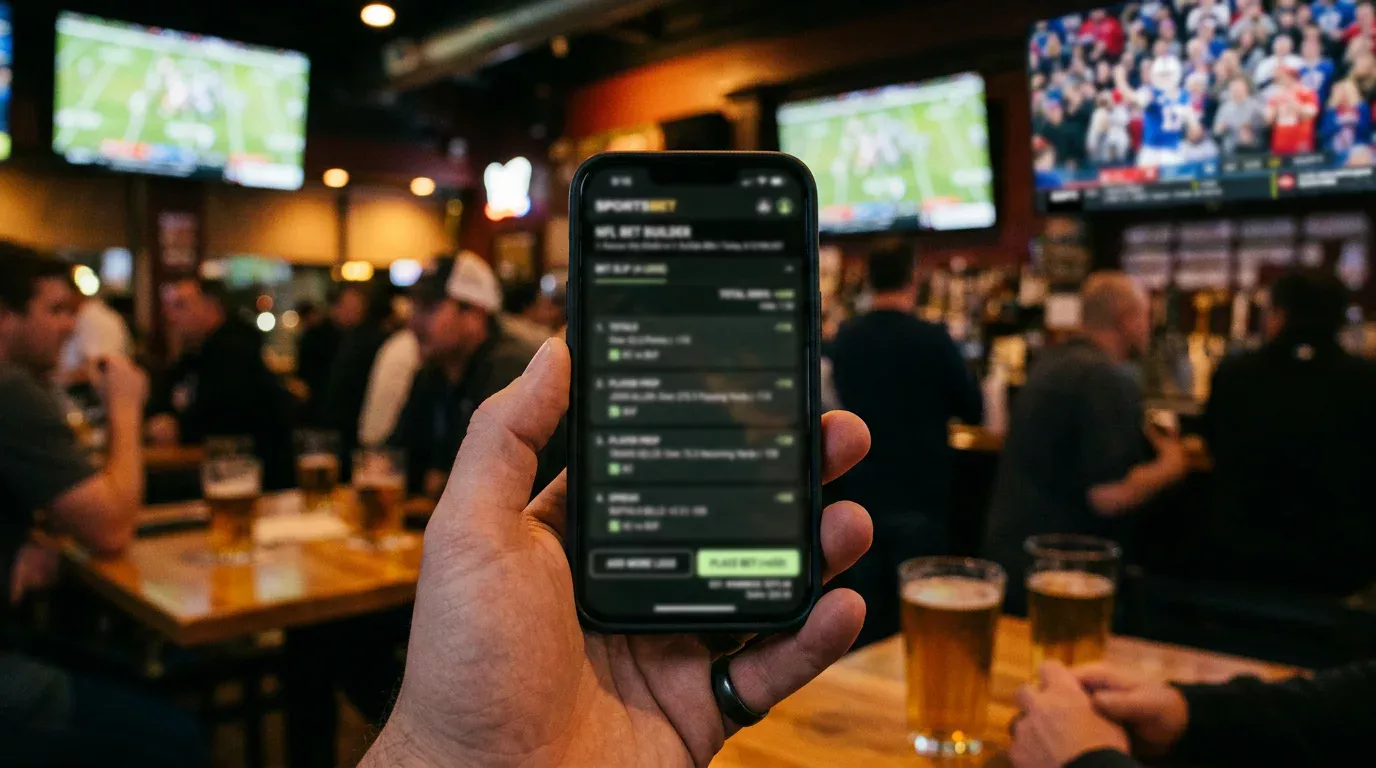
In-play betting during live matches accounts for more than 60% of all online football wagers across European markets, and TNF’s standalone broadcast slot makes it an ideal vehicle for live betting in the UK. The late-night timing means fewer distractions and a single-screen focus that lets you track momentum shifts, substitution patterns, and drive efficiency in real time. If live betting is part of your approach, TNF is the weekly slot that best rewards that investment of attention.
TNF as a Weekly Laboratory
Thursday Night Football is a weekly test case for situational handicapping. The short-week factor, the streaming-only broadcast, the late-night UK timing, and the market’s tendency to overreact to fatigue narratives create a game within the game for bettors who approach it analytically. I treat TNF as the one game per week where situational factors matter more than raw talent comparison — and where the disciplined handicapper can find value that the Sunday slate, with its sheer volume of simultaneous matchups, often obscures beneath the noise.
What time does Thursday Night Football start in the UK?
TNF typically kicks off at 1:15am GMT on Friday morning (or 12:15am during British Summer Time). The exact time can vary slightly depending on the week and any scheduling adjustments by the NFL.
Do NFL Thursday night games tend to be lower-scoring?
Historically, TNF games have averaged slightly fewer points than the overall NFL season average, driven by short-week fatigue, conservative play-calling, and reduced practice time. However, the trend is not strong enough to apply as a blanket rule — individual matchup context matters more than the aggregate pattern.
Find the best options for bet nfl games.
Read our detailed review of NFL UK Fan Growth — Viewership Data and Market Trends.
Created by the ”bet nfl Games” editorial team.