NFL Gambling Integrity — How the League Protects the Game
 Available in US
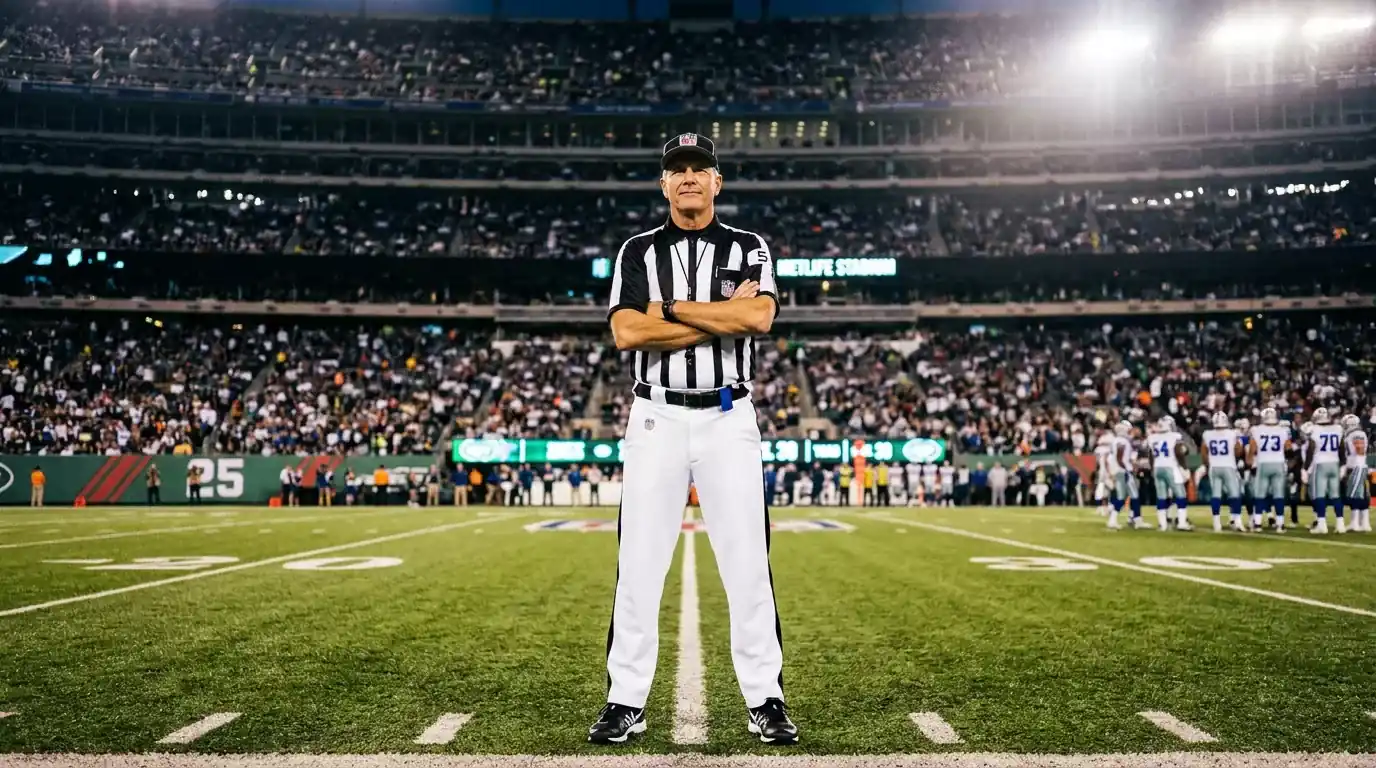
When a quarterback is suspended for betting on games, or a team staffer is banned for placing wagers from a facility, the headlines focus on the individual. What rarely makes the news is the infrastructure behind those decisions — the monitoring systems, the policy framework, and the enforcement apparatus that the NFL has built to protect the integrity of every game. As a bettor, I care about this deeply. The entire value of NFL betting depends on the games being fair. If they aren’t, the odds are meaningless.
The NFL’s Gambling Policy: Who Cannot Bet and Why
The NFL’s gambling policy is one of the most restrictive in professional sport. Players, coaches, team staff, league office employees, referees, and anyone with access to non-public information about games are prohibited from betting on any NFL game — including games they have no involvement in. The policy extends to agents, family members of team personnel who have access to inside information, and anyone physically present in an NFL facility when placing a wager.
The league’s own Management Council has stated its position bluntly: everyone involved has a responsibility to protect the integrity of the game by ensuring it is played fairly, honestly, and to the best of a player’s ability. That language — fairness, honesty, and full effort — defines the three pillars of the policy. Betting on NFL games by insiders undermines all three, because even the appearance of a conflict of interest erodes public trust in outcomes.
The prohibitions are graduated. Players and coaches face the strictest rules: any bet on an NFL game, regardless of whether it involves their own team, triggers a minimum one-year suspension. Betting on other sports is technically permitted but practically discouraged, and betting through illegal or offshore operators is a separate violation. Team employees below the player/coach level face shorter suspensions for first offences, but repeat violations escalate quickly.
For bettors in the UK, this matters because the NFL’s gambling policy is a structural guarantee that the games you’re wagering on are actively monitored for integrity. The league spends tens of millions annually on this infrastructure. Americans place $30 billion in legal NFL wagers per season — and an estimated $673.6 billion flows through illegal and unregulated operators globally. The integrity system protects both channels, because a compromised game affects every bet placed on it, legal or otherwise.
How the League Monitors Betting Activity
Jeffrey Miller, the NFL’s Chief Security Officer, has acknowledged that the world has changed dramatically in relation to sports betting. The league’s response has been to build a monitoring operation that draws on multiple data streams simultaneously.
The first layer is partnership with licensed sportsbooks and integrity monitoring services. Companies like Sportradar and Genius Sports operate integrity monitoring programmes that track betting patterns across global markets in real time. When the volume or direction of bets on a specific game, quarter, or prop market deviates significantly from expected patterns, the system flags it for review. These alerts don’t prove wrongdoing — they identify anomalies that warrant investigation.
The second layer is internal surveillance. The NFL’s security team monitors social media, communications, and physical access to team facilities. Players and staff are required to undergo education programmes on the gambling policy, and they receive regular reminders about what constitutes a violation. The league also operates a confidential reporting hotline for anyone to flag suspected policy breaches.
The third layer is cooperation with law enforcement and regulatory bodies, including the UK Gambling Commission for bets placed through UKGC-licensed operators. This cross-jurisdictional cooperation means that a suspicious betting pattern detected in London can trigger an investigation involving the NFL’s security team in New York and the relevant US state gaming commission. The information flows both ways: UK regulatory intelligence can alert the NFL to patterns that domestic US monitoring might miss, particularly on prop markets that attract different betting profiles in the UK compared to the US.
Recent Suspensions and What They Mean for Bettors
The NFL has suspended multiple players for gambling violations since the legalisation of sports betting in the US accelerated in 2018. These cases share a common thread: the individuals involved bet on NFL games using accounts traceable to their identities, often from team facilities or through associates. The suspensions range from indefinite (typically one year with reinstatement application) to multi-game bans for less severe violations.
What stands out about these cases is how quickly they were detected. In several instances, the violations were identified within weeks of occurring, through the monitoring partnerships described above. The speed of detection acts as a deterrent: anyone inside the NFL considering a bet on games knows the surveillance infrastructure is active, layered, and increasingly difficult to evade.
The sanctions themselves have been consistent and public. The league has not shied away from suspending players at key moments in the season, including cases that affected playoff-contending rosters. That willingness to enforce the policy regardless of competitive consequences sends a message that extends well beyond the individual case: no player’s on-field value outweighs the integrity of the sport.
For UK bettors, these enforcement actions should be reassuring rather than alarming. Each suspension demonstrates that the integrity system works — that violations are detected and punished rather than ignored. The alternative — a league that looks the other way — would undermine every spread, every total, and every prop you bet on. The NFL’s willingness to suspend high-profile players sends a clear signal that no individual is more important than the credibility of the game’s outcomes.
The integrity question also extends to responsible gambling at the individual level. A fair game is the foundation; a fair bet — one made with discipline, within your means, and based on analysis rather than impulse — is the structure you build on top of it.
Can NFL players bet on their own games?
No. NFL players are prohibited from betting on any NFL game, whether or not they are involved. Betting on their own team’s games is considered a more severe violation, but all NFL game wagering by players is banned under the league’s gambling policy and carries a minimum one-year suspension.
How does the NFL detect suspicious betting activity?
The NFL partners with integrity monitoring services that track betting patterns across global markets in real time. Unusual volume, line movement, or betting direction on specific games or props triggers alerts for review. The league also operates internal surveillance and cooperates with regulatory bodies including the UK Gambling Commission.
Learn more about bet nfl games on our main page.
You may also find NFL Handicapping Guide UK — Analysing Games Like a Sharp interesting.
Written by the editors at bet nfl Games.